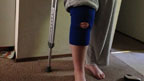
Without health insurance, a cane typically costs about $15 to $20 for standard hook canes or ornamental canes; $15 to $40 for foldable or quad canes; and $20 to $80 for canes that have special features, such as those that double as folding seats or those that have wheels.
A cane typically would be covered by health insurance if prescribed by the doctor because the patient needs support when walking.
With health insurance, the typical cost would consist of a copay or coinsurance of less than $5 to $20 or more, depending on the total cost of the cane. For example, this Aetna policy has 20 percent coinsurance for durable medical goods.
A traditional hook cane -- also called a C cane -- typically is made of wood with a simple hook for a handle and a rubber tip on the bottom.
A grip cane typically is made of wood or metal and has a straight handle made of rubber or PVC to allow a better grip. Some are adjustable.
A quad cane is similar to a grip cane, but instead of having one tip at its base, it has four tips to allow for better balancing. Some are adjustable.
A folding cane can be folded down to make it easier to transport. Some are adjustable.
Additional costs:
A cane wrist strap, which helps prevent the cane from being dropped, costs about $5.
Replacement rubber cane tips can cost about$5 each, or slightly less if purchased in a package.
Discounts:
Some local or regional nonprofits have programs that provide free, short-term (three- to four-month) loans of canes and other medical equipment. For example, Goodwill/Easter Seals Minnesota has a medical equipment loan program, as does HELP Adult Services[1] in Omaha, Nebraska. Locate a local chapter of Easter Seals through EasterSeals.com[2] , or contact the county health department for a referral to a local program.
Shopping for a cane:
Canes can be purchased at many drug stores or pharmacies, as well as online at sites such as Amazon[3] , DrugStore.com[4] and online medical suppliers such as The Medical Supply Group and Allegro Medical[5] .
Canes that get good reviews from customers include the:Mountain Properties Folding Travel Cane Floral-Mauve[6] , the Medline Offset Handle Cane[7] , the Invacare Adjustable Quad Cane[8] , the Duro Med Adjustable Small Base Quad Cane[9] and the Elite Cane Seat[10] .
Important factors to consider when choosing a cane include: the type of cane, the grip of the handle, whether the cane can be used in the right or left hand, how much weight the cane can support (some have a limit of 250 pounds while others support up to 700) and sturdiness. The Mayo Clinic[11] has a guide to choosing and using a cane.
Material on this page is for informational purposes only and should not be construed as medical advice. Always consult your physician or pharmacist regarding medications or medical procedures.
7 Lesser-Known Discounts for the 50+ Crowd As they age, members of the Baby Boomer generation don't like to admit that they're senior citizens, but they love getting discounts. It's kind of a quandary, because some of the best deals available are reduced prices for older folks. || Posted October 21 2013
7 Ways to Stretch Your Reduced Food Budget End of the year budgets are tight for everyone, especially in this economy.It's especially hard for the millions of Americans who depend on government programs like food stamps to help make ends meet. || Posted November 11 2013
I don’t know where you are buying canes but I haven’t seen $20.00 canes! From what I have seen, they start much higher! I’m talking box stores and pharmacies.
CostHelper is based in Silicon Valley and provides consumers with unbiased price information about thousands of goods and services. Our writers are experienced journalists who adhere to our strict editorial ethics policy.
CostHelper Community
UTI urgent care visit Paid: 147.00 Visit was $135. Antibiotics was $12. Waiting for four hours in the waiting room and the visit was quick... [more]
Spanish Medical Interpreter Paid: 150.00 I worked with SynShyne Services out of Monroe, NC. They were so worth the price! Professional, friendly, accurate, great attitude and always on time. I recieved an itemized report after every contact and a user friendly invoice weekly... [more]
Skin prick allergy test Paid: 573.00 Took my 9 yr. old in after an allergic reaction to eggs. Several panels for nuts, fish & top 8 allergens. Sure enough, egg came up. Got a script for epinephrine and left... [more]






 Post
Post